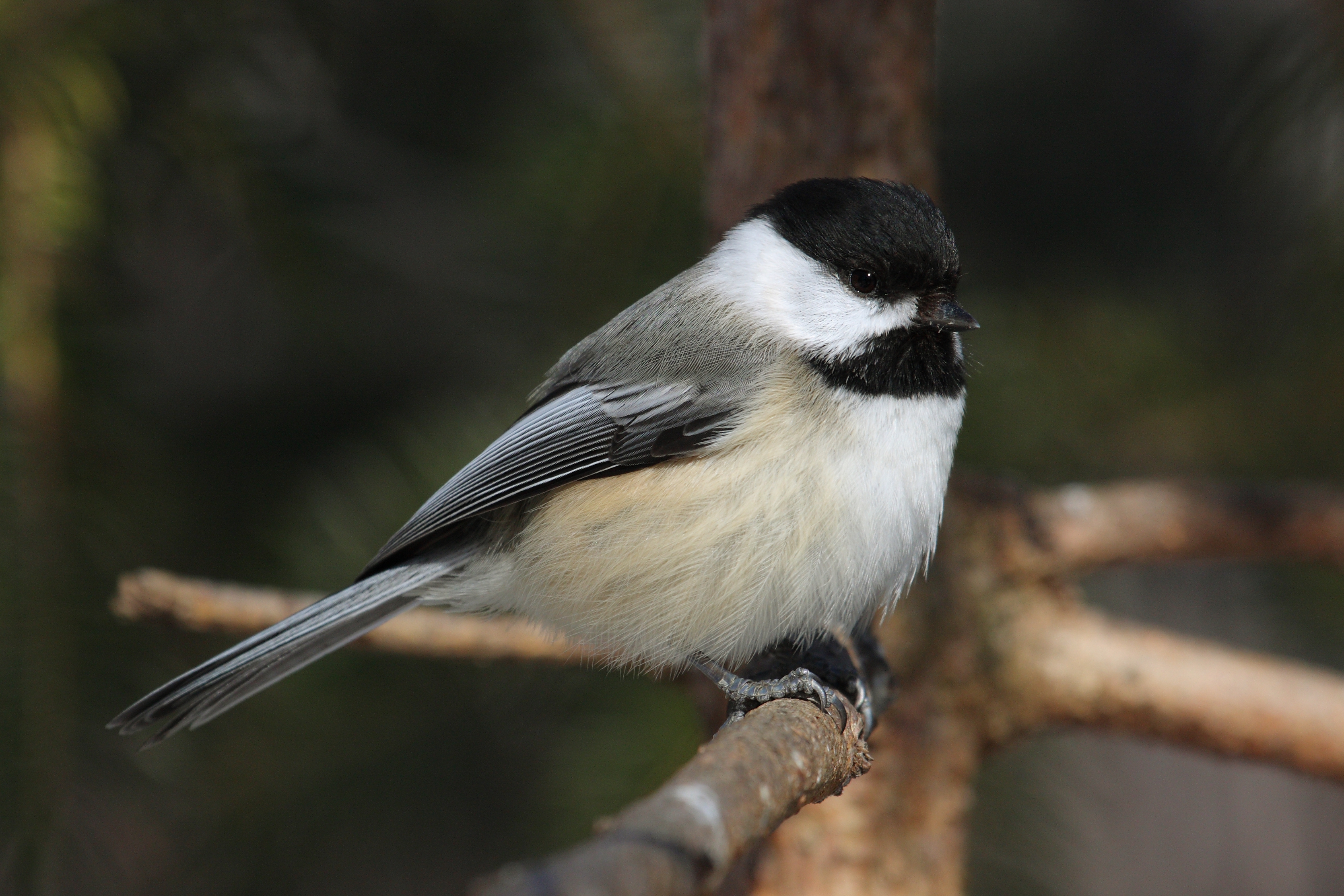
Birds
Backyard Birds of Canada: An Identification Guide
Distinguishing features, seasonal habits, and habitat notes for the most frequently observed bird species in Canadian residential areas.
Field notes and identification guides for the birds, mammals, and insects sharing your outdoor space across Canada — with practical advice for habitat gardening that supports native species.
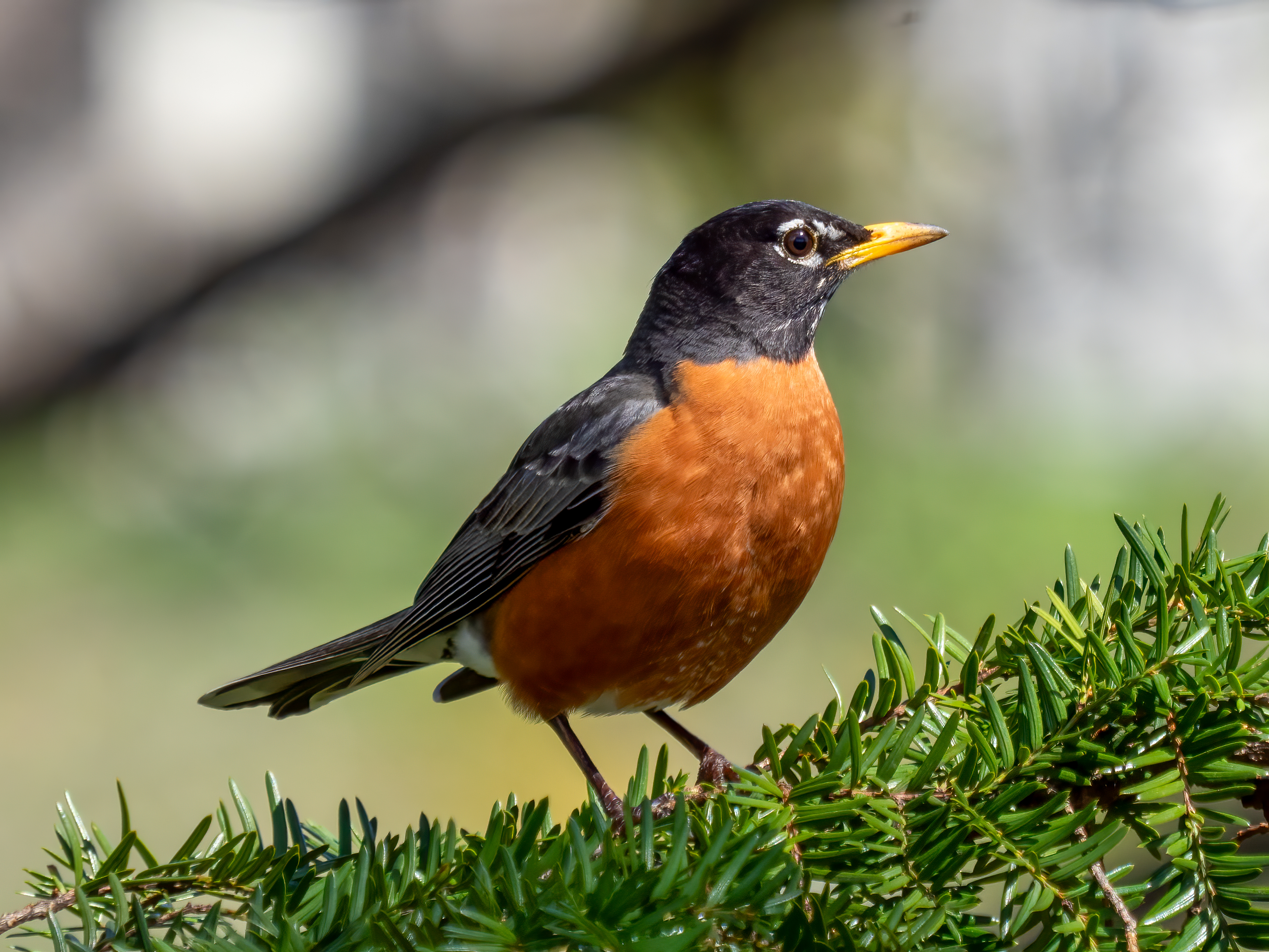
Latest Articles
Practical identification resources covering the species most commonly encountered in Canadian backyards, parks, and urban green spaces.
Birds
Distinguishing features, seasonal habits, and habitat notes for the most frequently observed bird species in Canadian residential areas.

Habitat
Selecting native plant species to create structured habitat for birds, pollinators, and small mammals in different Canadian climate zones.
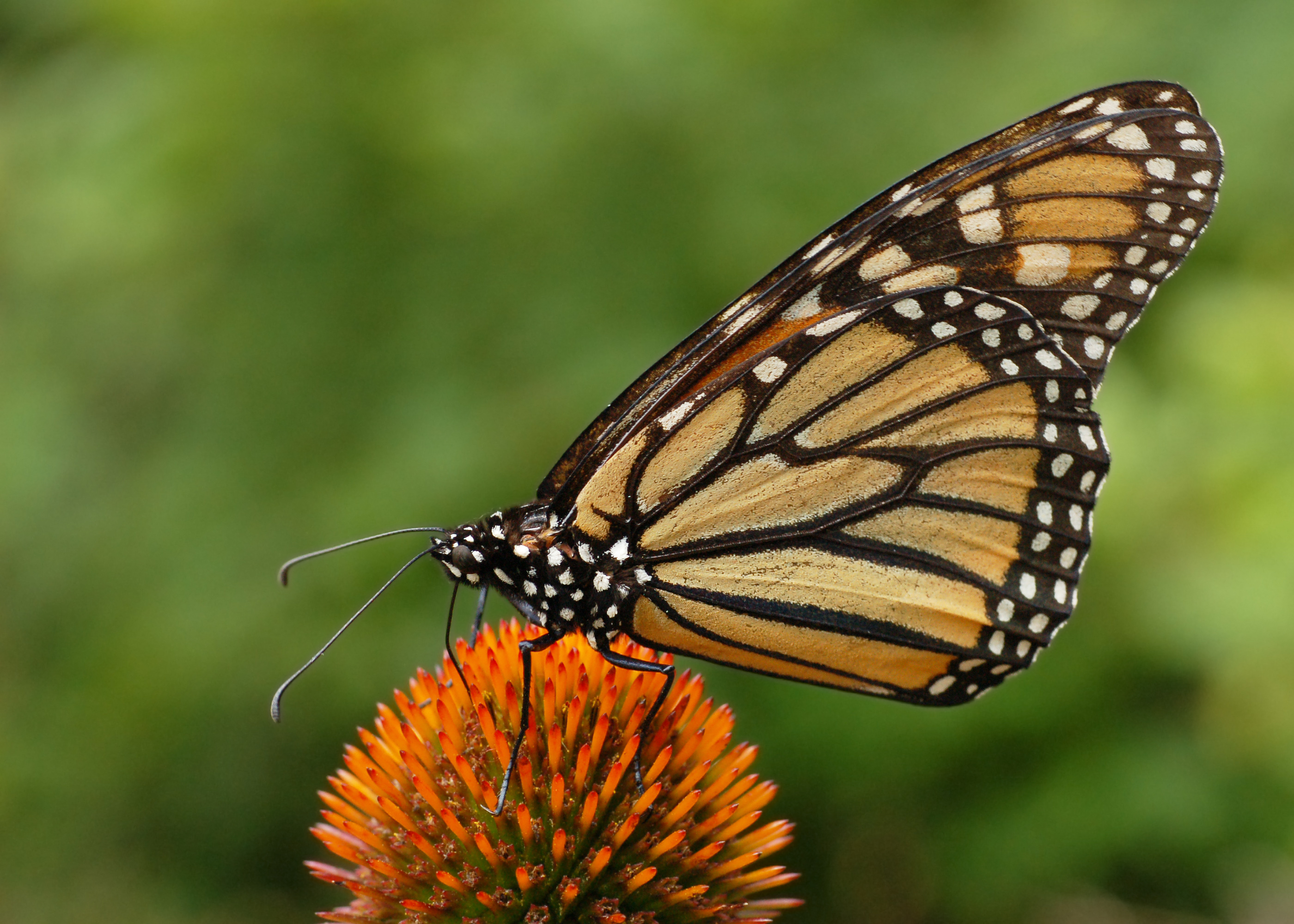
Insects
Visual identification notes for butterflies, bees, beetles, and other insects encountered in backyards across Canada's major climate regions.
About This Resource
Field marks, calls, seasonal presence, and range notes for birds commonly seen in Canadian yards and parks throughout the year.
Species selection and planting guidance for creating layered habitat that provides food, shelter, and nesting sites for native wildlife.
Identification resources for pollinators, beetles, and other insects, including species relevant to garden health and biodiversity tracking.
Observation notes and identification guides for deer, foxes, raccoons, and other mammals that appear in or near residential areas across Canada.
Content accounts for Canada's distinct climate zones — from BC coastal forests to Prairie grasslands and Ontario's mixed deciduous woodlands.
Information draws on publicly available data from Environment and Climate Change Canada, NatureWatch, and established field guide references.
Wildlife in Canada
White-tailed deer (Odocoileus virginianus) are found across much of southern Canada, from Nova Scotia to the British Columbia interior. Their range overlaps significantly with suburban and rural residential areas, making them one of the most frequently observed larger mammals in Canadian backyards.
In areas where deer are present, garden planning benefits from an understanding of their browsing patterns and seasonal movements. Native shrubs such as native dogwoods and serviceberry can support both deer and smaller wildlife species simultaneously.
Native plants guide →